Bear Creek Outfitters: Unleash Your Adventure in Alaska

Bear Creek Outfitters: Unleash Your Adventure in Alaska

Too many people visit Alaska and leave feeling like they only scratched the surface. A rushed fishing charter, a crowded sightseeing tour, or a roadside pull-off just doesn’t cut it. Not when you came all this way for something wild.

The real Alaska is quiet, raw, and tucked deep beyond the beaten path. That’s exactly where Bear Creek Outfitters takes you. With nearly 30 years of experience, we help you skip the tourist lines and step straight into the untouched heart of Southeast Alaska.

Read on if you’re after the kind of story that’s hard to believe but impossible to forget.

Why Southeast Alaska?

Southeast Alaska isn’t built for highways. It’s built for floatplanes, rivers, and old-growth forests. That’s part of what makes it so appealing for anglers and wildlife watchers.

You don’t just go sightseeing; you step straight into one of the richest ecosystems in North America.

The Tongass National Forest covers nearly 17 million acres and is considered the largest national forest in the U.S. It’s mostly temperate rainforest, fed by glaciers and tides, and filled with fish, bears, eagles, and wolves. The sheer volume of untouched land means you’re not fighting for space out there; you’re often the only ones around.

Some reasons people are drawn to this part of Alaska include:

  • Access to remote waters filled with wild Pacific salmon
  • Unmatched scenery with fjords, mountains, and massive spruce forests
  • Higher chance of wildlife sightings compared to road-access locations
  • Smaller fishing pressure and less human impact on the rivers
  • Better water clarity and cooler temps for peak fishing conditions

It’s no surprise that Southeast Alaska is a hub for adventure travel Alaska fans who want more than a bus tour. The region offers something you just don’t get from the roadside; it offers time. Time to fish, time to spot bears, and time to actually take it all in without a crowd around you.

The Bear Creek Outfitters Experience

Bear Creek Outfitters started guided Alaska excursions nearly three decades ago, long before fly-out fishing was popular here. Since then, we’ve stayed small on purpose, choosing quality over volume. Our trips focus on real experiences; no huge tour groups, no rushed schedules.

All trips start with door-to-door service in Juneau. After suiting up at the fly shop, guests take off from the water with Ward Air, flying over alpine lakes and forested valleys toward wild streams few people ever see.

Here’s what makes Bear Creek Outfitters different from the average operator:

  • Only small group sizes to keep the experience personal
  • Over 65 permitted remote streams to choose from each day
  • Decades of local guiding experience from seasoned professionals
  • All equipment provided, including premium rods, reels, and waders
  • Focus on conservation with catch-and-release fishing and barbless hooks

Fly Fishing in Remote Wilderness

The fly fishing season typically runs from late May through September, with different species showing up at different times.

For instance, Dolly Varden (a type of char) is available all season, but Pink Salmon tends to peak in July and August. Silver Salmon show up in late August and stick around into fall. That variety means every month offers a slightly different experience.

Bear Creek Outfitters offers several Juneau fishing trips, depending on your schedule and interests. These include:

  • Half-Day Fly-Out Trips: ~5.5 hours door-to-door, ideal for cruise ship visitors
  • Full-Day Fly-Out Trips: ~8.5 hours, more time to explore remote rivers
  • Private and Custom Trips: Meet your floatplane almost anywhere in the region

Our fly-out model lets us choose a stream based on current fishing conditions, weather, and species activity. You won’t be stuck going where everyone else is going that week.

More Than Just Fishing

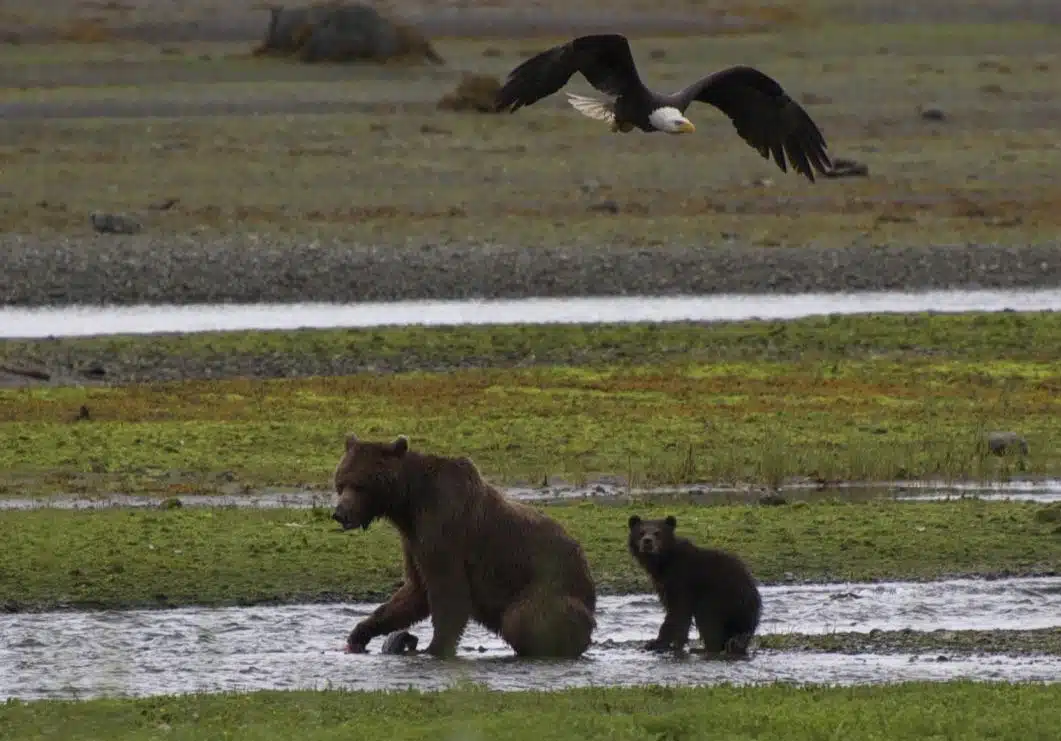
If you’re coming to Alaska and don’t see a bear, you’re missing something. Bear Creek Outfitters has offered wildlife tours in Alaska longer than just about anyone in Juneau, and we don’t do bear viewing the way big-name operators do.

Instead of crowds and platforms, our bear excursions bring guests into quiet estuaries, creek mouths, and wild valleys; places where bears are naturally feeding, not being fed. These experiences take place in places like Pack Creek on Admiralty Island, a federally protected area known for its high concentration of brown bears.

Types of bear tours available include:

  • Pack Creek Bear Viewing: Located in the Stan Price Bear Preserve, available May-mid-September
  • Waterfall Creek Bear Viewing: Known for intimate bear fishing scenes, runs in late July-September
  • Private Bear Viewing: Customized based on travel needs, can include extra flightseeing time

Our guides on these trips are seasoned pros. Most have over a decade of experience watching the same families of bears come back year after year. They know how to read bear behavior, where to stand, and, importantly, when to move.

Guests often see more than bears, though. It’s common to spot:

  • Bald eagles perched in spruce trees or swooping over streams
  • Harbor seals near estuaries or inlets
  • Sitka black-tailed deer browsing at the edge of the forest
  • Otters playing along stream banks or tidal flats

Planning and Preparation Tips

Fishing or bear viewing in Southeast Alaska isn’t difficult, but you do need to be ready for conditions that are a little less predictable than a lodge-based trip. Weather can shift quickly, and your feet will probably get wet at some point, even with boots on.

Bear Creek Outfitters makes things easier by providing just about everything. Guests get fully equipped with rods, waders, raincoats, and more. Even lunch is covered on full-day trips. The only extra expense is the Alaska fishing license ($15), which you can buy online or on your phone the morning of your trip.

Some things you’ll want to bring include:

  • Warm, moisture-wicking base layers
  • Hat with a brim and sunglasses
  • Lightweight gloves for chilly mornings
  • Waterproof or water-resistant camera
  • Tipping money for your guide

Ready to Go Beyond the Ordinary?

With Bear Creek Outfitters, you get authentic, small-group adventures led by guides who have logged thousands of days in Southeast Alaska’s remote streams and bear country. Whether you’re here for floatplane-accessed Juneau fishing trips or up-close wildlife experiences, you’ll have exclusive access to spots other outfitters can’t offer. Our commitment to conservation, experienced guides, and true Alaskan hospitality make us Southeast Alaska’s original fly fishing and bear viewing outfitter.

Book now and make sure your Alaska trip is one worth telling stories about for years.
Alaska Fly Fishing Experiences: Planning Your Trip Into the Wilderness

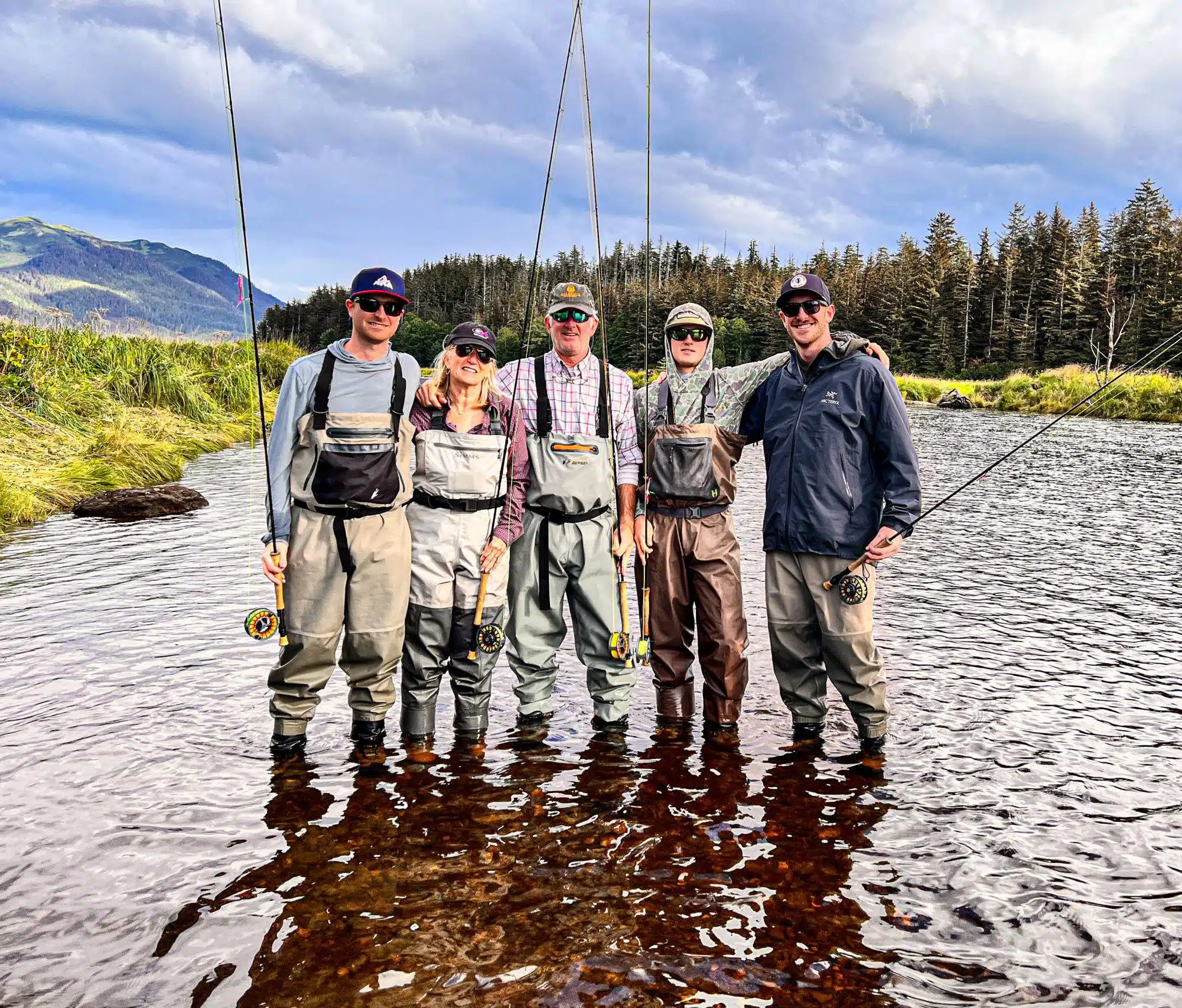
Alaska fly fishing is more than just a pastime; it’s an adventure into some of the last truly wild places on Earth. With over 3 million lakes, 12,000 rivers, and countless remote streams, Alaska is home to some of the richest freshwater fisheries in the world.

One moment, you’re casting into a clear, rushing river teeming with wild salmon. The next, you’re glancing up to see a bald eagle soaring overhead or a brown bear catching its own meal just upstream.

But planning a successful fishing trip in Alaska takes more than just packing a rod and reel. From choosing the right location to gearing up for the unpredictable weather, there’s a lot to consider. Whether you’re an experienced angler or a first-time fly fisher, this guide will help you prepare for an unforgettable experience in the Alaskan wilderness.

Why Alaska is a Fly Fishing Paradise

According to the National Wild & Scenic Rivers System, Alaska has more than 40% of the nation’s surface water resources, with millions of acres of pristine rivers, lakes, and streams that support some of the world’s healthiest fish populations. This is one of the few places left where wild salmon still return in massive numbers, feeding an entire ecosystem that includes trophy-sized trout and char.

The seasonal fish runs make every visit different. King salmon show up in June, pink salmon peak in July and August, and silver salmon hit their prime in late summer and early fall. Dolly Varden, a type of char, are abundant throughout the season, while steelhead runs offer an extra challenge in spring.

Best Fly Fishing Spots in Southeast Alaska

Southeast Alaska offers a variety of fly fishing environments, from tidal estuaries filled with salmon to crystal-clear streams tucked deep in the Tongass National Forest. Some of the best fishing spots near Juneau are remote and accessible only by floatplane, creating an exclusive experience for anglers.

The region has several types of fishing waters, each offering a unique challenge. Some of the best environments for fly fishing include:

  • Estuaries where salmon gather before heading upstream
  • Glacial rivers that hold trout and char in the cooler months
  • Small, clearwater streams perfect for sight fishing
  • Remote lakes that offer still-water fly fishing opportunities

Juneau travel is convenient for anglers looking to fish in this area, as the city serves as a gateway to some of the most productive fishing waters in Alaska. From here, fly-out trips provide access to remote streams where fishing pressure is minimal, and the scenery is unbeatable.

Planning Your Trip

A successful fishing trip in Alaska requires careful planning. Between choosing the right itinerary, handling permits, and coordinating transportation, there’s a lot to organize before stepping into the water.

Half-Day vs. Full-Day Fly-Out Trips

Fly fishing trips in Alaska can vary in length depending on how much time you have. Some key differences between half-day and full-day trips include:

  • Half-day trips allow for a quick fishing experience, perfect for cruise ship travelers
  • Full-day trips go further into the backcountry and provide more time on the water
  • Longer trips require more hiking, but they open up access to less pressured streams

Transportation and Permits

Floatplanes are the best way to reach remote fishing locations. These aircraft make it possible to land on secluded lakes and rivers that see little to no fishing pressure. Most guided trips include transportation, but anglers should confirm logistics in advance.

An Alaska Non-Resident Fishing License is required for all visitors over the age of 16. The cost is $15 for a one-day license and can be purchased online from the Alaska Department of Fish and Game.

Best Time to Fish

The best time to visit depends on the species you want to target.

Peak seasons for major fish species include:

  • King Salmon: June to early July
  • Sockeye Salmon: Mid-June to early August
  • Pink Salmon: July to mid-August
  • Silver Salmon: Late August to October
  • Dolly Varden and Cutthroat Trout: May through September

Spring and early summer offer excellent conditions for trout and char fishing, while fall brings aggressive silver salmon that hit flies hard.

Essential Gear and Equipment

Having the right fly fishing gear can make or break a trip. Weather conditions change quickly, and the terrain is often rugged. The right equipment ensures comfort and success on the water.

Must-Have Gear

Fly fishing in Alaska requires durable, high-quality gear. Essential items include:

  • A 7 or 8-weight fly rod for salmon and a 5 or 6-weight rod for trout
  • Floating and sinking fly lines to handle different water depths
  • Waders and wading boots to navigate cold, rocky streams
  • Rain gear to stay dry in unpredictable weather
  • Polarized sunglasses for better visibility in the water

What’s Provided vs. What to Bring

Alaska fishing tours typically provide all necessary fishing gear, including rods, reels, and flies. However, anglers should bring personal items such as warm clothing, gloves, and a waterproof bag for extra layers.

What to Expect in the Alaskan Wilderness

The terrain varies depending on the fishing location. Many streams require hiking through dense forests or over rocky riverbeds. Some areas have uneven footing, so a good level of physical fitness helps.

Weather can change quickly, with sunny mornings turning into rainy afternoons. Temperatures in Southeast Alaska during fishing season tend to range from:

  • 50-65°F (10-18°C) in summer
  • 40-55°F (4-13°C) in early spring and fall

Many fishing locations in Alaska are protected to preserve fish populations. Most fly fishing in the region is done on a catch-and-release basis, especially for trout and char. Using barbless hooks helps reduce harm to the fish, and proper handling techniques ensure healthy releases.

Your Unforgettable Alaska Fly Fishing Adventure Awaits

Alaska fly fishing offers a rare opportunity to experience untouched wilderness while battling some of the most sought-after fish species in the world. With its remote, pristine waters and abundant wildlife, Southeast Alaska provides an angling experience unlike any other.

As Southeast Alaska’s longest-serving fly fishing and wildlife viewing guide service, Bear Creek Outfitters specializes in floatplane-accessed trips to the most remote and productive fishing spots. Our expert guides, top-tier Echo and Sage rods, and personalized small-group trips ensure you get the most out of your time on the water.

Book now and let us take care of the details so you can focus on the fishing.

Bear Watching in Juneau: How to Photograph Wild Beauty

Juneau, Alaska, offers an unparalleled opportunity to witness the raw beauty of nature and the majestic presence of wild bears. Nestled in a landscape of rugged coastlines, dense forests, and towering mountains, Juneau has become a premier destination for wildlife enthusiasts and photographers alike.

According to the Alaska Department of Fish and Game, 100,000 black bears inhabit Alaska.

If you’re planning to go bear watching in Juneau and want to capture stunning images of these magnificent creatures, this guide will help you prepare, stay safe, and photograph wild beauty in its purest form.

Understanding the Environment and Bear Behavior

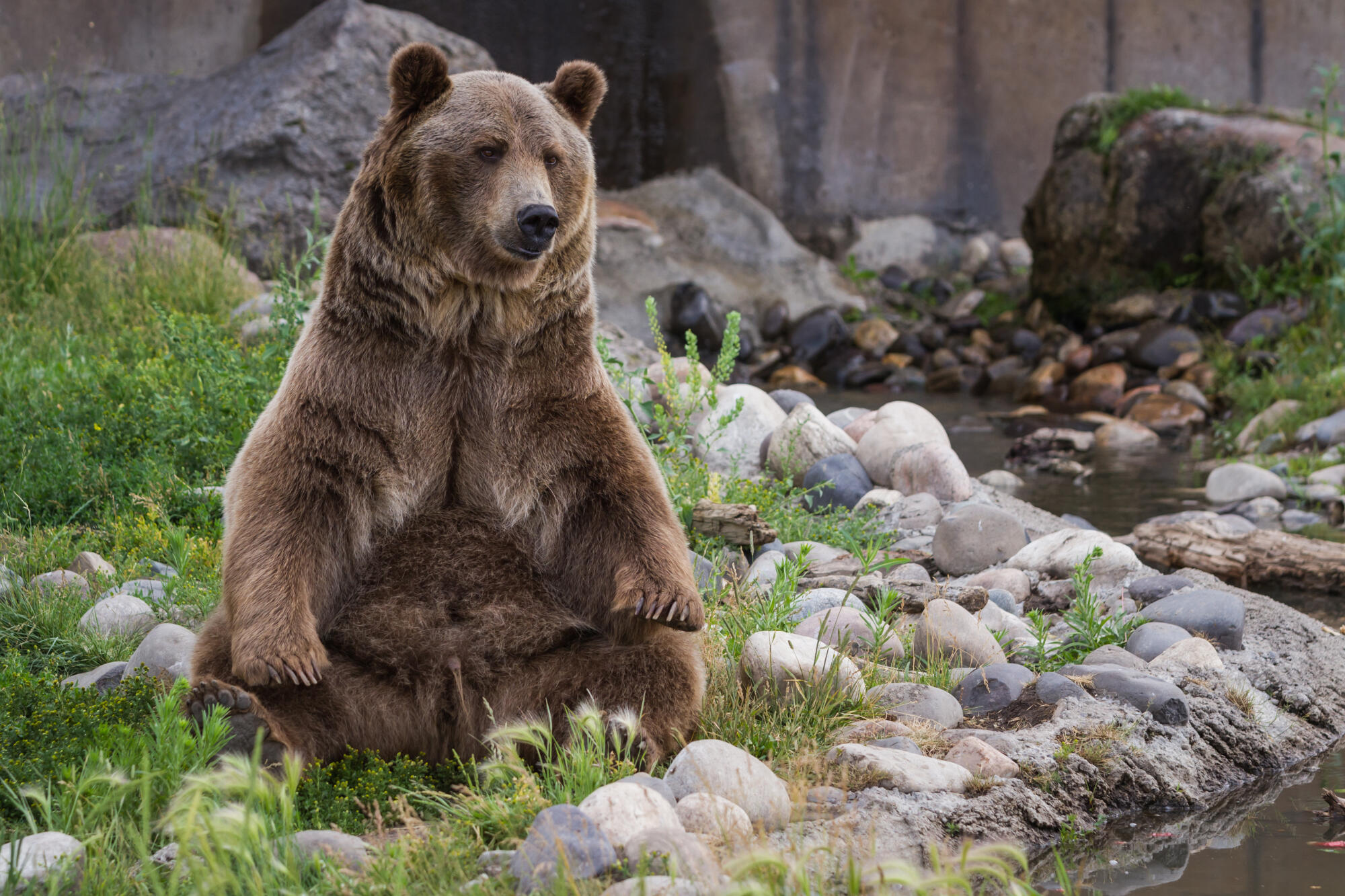
Juneau’s pristine wilderness is home to both black and brown bears, with the latter often attracting the most attention due to their size and striking appearance. Before embarking on your photographic wildlife travel tour, it’s essential to learn about bear behavior and the local ecosystem.

Seasonal Activity

Bears are most active during the summer months as they forage for food to build fat reserves for winter. Juneau’s early summer offers excellent chances to see them in the natural Alaskan bear habitats.

Foraging and Feeding

Bears are drawn to salmon streams, berry patches, and areas with abundant vegetation. Understanding these feeding patterns will help you anticipate where to find them.

Territorial Awareness

Bears have vast home ranges and can be unpredictable. Observing them from a distance while respecting their space is key to both safety and ethical photography.

Essential Gear and Preparation

Successful wildlife photography, particularly of bears, starts with proper preparation and equipment. Here are some must-have items and tips to get you ready for your bear viewing tour.

Camera and Lenses

A DSLR or mirrorless camera with a fast autofocus system is ideal. Consider a telephoto lens (400mm or higher) to capture close-up details without disturbing the bears. A wide-angle lens can also be useful for capturing the scenic environment.

Tripod and Stabilization

A sturdy tripod helps stabilize your camera, especially in low-light conditions or when using long lenses. A monopod can be a more portable alternative if you’re trekking through rugged terrain.

Protective Gear

A weather-sealed camera body and lens protect your equipment from Juneau’s unpredictable weather. Additionally, carrying rain covers and microfiber cloths for cleaning is advisable.

Clothing and Personal Items

Dress in layers to adapt to fluctuating temperatures. Wear neutral colors to blend into the environment, and pack a hat, gloves, and waterproof boots. Don’t forget extra batteries and memory cards; cold weather can drain battery life quickly.

Best Practices for Photographing Bears

Capturing stunning bear photographs requires patience, respect for the animals, and a keen eye for detail. Here are some practical tips to help you get the shot.

Respect Their Space

Use a telephoto lens to maintain a safe distance from bears. This not only keeps you safe but also ensures the bears remain undisturbed. A general rule is to stay at least 100 yards away unless you are on a guided tour that permits closer interactions.

Anticipate Behavior

Observe the bears for a few minutes to understand their behavior. Are they foraging, resting, or interacting with each other? Anticipating their actions can help you time your shots for the most dynamic images.

Use Natural Light

Early mornings and late afternoons provide soft, warm light that enhances the texture of the bear’s fur and the surrounding landscape. Avoid harsh midday light, which can cause overexposure and flatten details.

Capture the Environment

Incorporate the stunning backdrop of Juneau’s wilderness into your compositions. Wide shots that include mountains, forests, or salmon streams can tell a compelling story about the bear’s habitat.

Action and Portrait Shots

Balance your portfolio with action shots (bears in motion, fishing, or foraging) and close-up portraits that capture their expressions. Experiment with different angles and perspectives-shoot from a low angle to emphasize the bear’s power, or from above to capture the landscape beneath.

Patience is Key

Wildlife photography often requires long periods of waiting.  Patience can be the difference between a good shot and a great one.

Bear Photography Safety Considerations

While the thrill of photographing bears is exhilarating, safety must remain your top priority. Here are some essential safety tips.

Know the Signs

Familiarize yourself with bear behavior. If a bear is showing signs of agitation, such as huffing, jaw popping, or swatting the ground, it’s time to move away slowly.

Stay Calm and Quiet

Avoid sudden movements or loud noises that could startle the bears. Keep a low profile and be mindful of your surroundings.

Follow Tour Guidelines

If you’re on the best bear viewing tours with Bear Creek Outfitters, listen to your guide’s instructions carefully. They are experienced in navigating the terrain and handling unexpected encounters.

Post-Processing Your Images

Once you’ve captured your shots, post-processing can help enhance the final images without compromising the natural beauty of the scene.

Fine-tune the exposure, contrast, and brightness to bring out details in both the bear and the background. Use cropping to eliminate distractions and focus on the bear. A well-composed image can draw the viewer’s attention to the subject.

Ensure that the colors remain true to the natural scene. Over-editing can detract from the authenticity of your images.

Apply subtle sharpening and noise reduction, especially if you shot in low light. This enhances clarity while preserving the integrity of the photograph.

Bear Watching in Juneau – Ready, Set, and Safely Go

Embrace the adventure, respect the wilderness, and let your camera be the window through which the majestic world of wild bears is shared with others. We offer bear watching in Juneau at Bear Creek Outfitters, with 25 years of experience in the field.

The highest density of brown bears in the world awaits with expert guidance and touring capability. We will ensure your trip is both enjoyable and safe in the backcountry. Book your trip with us today.